

-
-
Sign In
Create your Account
Breaking News
बिहार में सम्राट चौधरी के शपथ ग्रहण से पहले पटना में हाई अलर्ट, ट्रैफिक व्यवस्था बदली, कई रास्ते बंद
भागलपुर में शराबबंदी पर बड़ा सवाल: उत्पाद विभाग की गाड़ी से शराब बरामद, चालक नशे में हंगामा करता रहा
Bihar Airport Expansion: Survey to Be Conducted in 4 Districts, AAI Team from Delhi to Inspect Sites
बिहार के सरकारी स्कूलों में सख्त निगरानी लागू, अधिकारियों को रोज 3 स्कूलों का निरीक्षण करना अनिवार्य
पटना में RJD अल्पसंख्यक प्रकोष्ठ के कार्यक्रम में गरजे तेजस्वी यादव, केंद्र-राज्य सरकार पर बोला हमला
शराबबंदी पर मांझी का बड़ा बयान, बोले- पाव भर शराब वालों पर सख्ती क्यों, बड़े तस्कर कैसे बच जाते हैं?
समस्तीपुर में अपर मुख्य सचिव डॉ. एन विजयलक्ष्मी ने LPG, PNG और जनकल्याण सेवाओं का लिया विस्तृत जायजा
रोहतास में मंदिर से चांदी का गदा और कीमती सामान चोरी, ग्रामीणों में उबाल—“अब भगवान भी सुरक्षित नहीं”
आस्था, अनुशासन और प्रकृति उपासना का महापर्व: चैती छठ 22 मार्च से, चार दिनों तक गूंजेगा भक्ति का स्वर
पश्चिम चंपारण में जमीन विवाद बना खून-खराबे की वजह, पिता और भाई पर हत्या का आरोप, एक की मौत, दो गंभीर
पटना में BPSC TRE-4 नोटिफिकेशन को लेकर शिक्षक अभ्यर्थियों का महा आंदोलन, पैदल मार्च में जताई नाराजगी
बिहार में इफ्तार डिप्लोमेसी: नीतीश कुमार और चिराग पासवान की दावतें सियासी गलियारों में चर्चा का विषय
निशांत कुमार की जदयू में धमाकेदार एंट्री: जिम्मेदारी तय होने की प्रतीक्षा, पार्टी और विपक्ष में हलचल
हाजीपुर कोर्ट में सनसनी: पेशी के दौरान कैदी ने छत से पोखर में लगाई छलांग, पुलिस ने घेराबंदी कर पकड़ा
युद्ध की आंच से रसोई तक संकट: दरभंगा में गैस सिलेंडर के लिए सुबह 4 बजे से लाइन, खाली हाथ लौट रहे लोग
नीतीश कुमार के बेटे निशांत कुमार का राजनीतिक डेब्यू: राज्यसभा की राह और बिहार की राजनीति में नई पारी
भारत में अप्रैल से अनिवार्य: E20 इथेनॉल-ब्लेंडेड पेट्रोल की नई ऑक्टेन रेटिंग, आयात पर निर्भरता घटेगी
बिहार में अब जमीन दलालों की खैर नहीं: सरकार ने हर अंचल कार्यालय में लगाए CCTV, सख्त कार्रवाई का एलान
राजद-जदयू विवाद: नीरज कुमार ने सुनील कुमार सिंह पर जमकर साधा निशाना, शराब और इलेक्ट्रॉल बांड पर घेरा
दिल्ली से लेह जा रही स्पाइसजेट की उड़ान तकनीकी खराबी के कारण वापस दिल्ली लौट आई, सभी यात्री सुरक्षित
बिहार विधानसभा में विधायक निधि बढ़ाने को लेकर हंगामा: सत्ता और विपक्ष एकजुट, सदन में देर तक नारेबाजी
बजट सत्र के 15वें दिन सदन में हंगामा: अपराध पर घिरी सरकार, जीआई टैग और छात्र योजनाओं पर भी गरमाई बहस
पीरपैंती पावर प्रोजेक्ट पर अडानी की नजर: बिहार की ऊर्जा तस्वीर बदलने वाली योजना की आज करेंगे समीक्षा
बयानबाज़ी से गरमाया बिहार—तेजस्वी यादव बनाम मैथिली ठाकुर टकराव में ‘पुराना-नया बिहार’ की बहस फिर तेज
बिहार राज्यसभा चुनाव 2026: AIMIM ने खुद का उम्मीदवार उतारने का किया ऐलान, पांचवीं सीट के समीकरण बदले
मुजफ्फरपुर: 16 वर्षीय छात्रा की गोली मारकर हत्या, आरोपी ने थाने में आत्मसमर्पण किया, इलाके में सनसनी
फुलवारी शरीफ छात्रा मौत मामला: संदिग्ध परिस्थितियों में छात्रा की मौत, हत्या या आत्महत्या की बहस तेज
पटना: तेज प्रताप यादव का बड़ा बयान, बोले- राजनीति में साजिशें आम हैं, मेरी हत्या की साजिश भी होती रही
लोकसभा स्पीकर पर घिरा विवाद: हटाने के प्रस्ताव से गरमाया बजट सत्र, जानिए क्या है संवैधानिक प्रक्रिया
सिवान में पत्रकार पर हमला: शादी से लौटते वक्त बाइक सवार बदमाशों ने फायरिंग कर किया गंभीर रूप से घायल
“होली पर बिहार आने वालों के लिए रेलवे ने चलाई स्पेशल ट्रेनें, यात्रियों के लिए तत्काल टिकट भी उपलब्ध
मुजफ्फरपुर में स्नातक छात्र पर बाइक सवार बदमाशों ने किया हमला, पेट में लगी गोली, पुलिस जांच में जुटी
बिहार बजट में महिला सशक्तिकरण का रोडमैप: गांव की इकाई से शहर के बाजार तक, ट्रेनिंग से सीधे रोजगार तक
मोदी सरकार में बिहार को रेलवे की नई ताकत:रेल बजट नौ गुना बढ़ा,हाईस्पीड कॉरिडोर से बदलेगी कनेक्टिविटी
बिहार में जमीन दस्तावेजों का डिजिटल युग:1908 से अब तक की रजिस्ट्री एक क्लिक पर,दफ्तरों के चक्कर खत्म
बजट 2026-27: ‘शी मार्ट’ से जीविका दीदियों को मिलेगा नया बाजार, बिहार बन सकता है महिला उद्यमिता का हब
कैथी लिपि के दस्तावेज अब नहीं बनेंगे सिरदर्द, सरकार ने तय किया रेट और उपलब्ध कराए प्रशिक्षित अनुवादक
समस्तीपुर जिले के अपर जिलाधिकारी बृजेश कुमार ने गणतंत्र दिवस पर जिलेवासियों को दी हार्दिक शुभकामनाएं
निष्ठा, सेवा और स्मृतियों से सजी विदाई: आचार्य विजयव्रत कंठ को भावभीनी सम्मान-समारोह में दी गई विदाई
समृद्धि यात्रा का सातवां पड़ाव: मुजफ्फरपुर को 850 करोड़ की विकास सौगात देंगे मुख्यमंत्री नीतीश कुमार
Bihar Cabinet Portfolio 2026: CM Samrat Choudhary Takes Charge of 29 Departments, Major Power Reshuffle in State Government
- Reporter 12
- 15 Apr, 2026
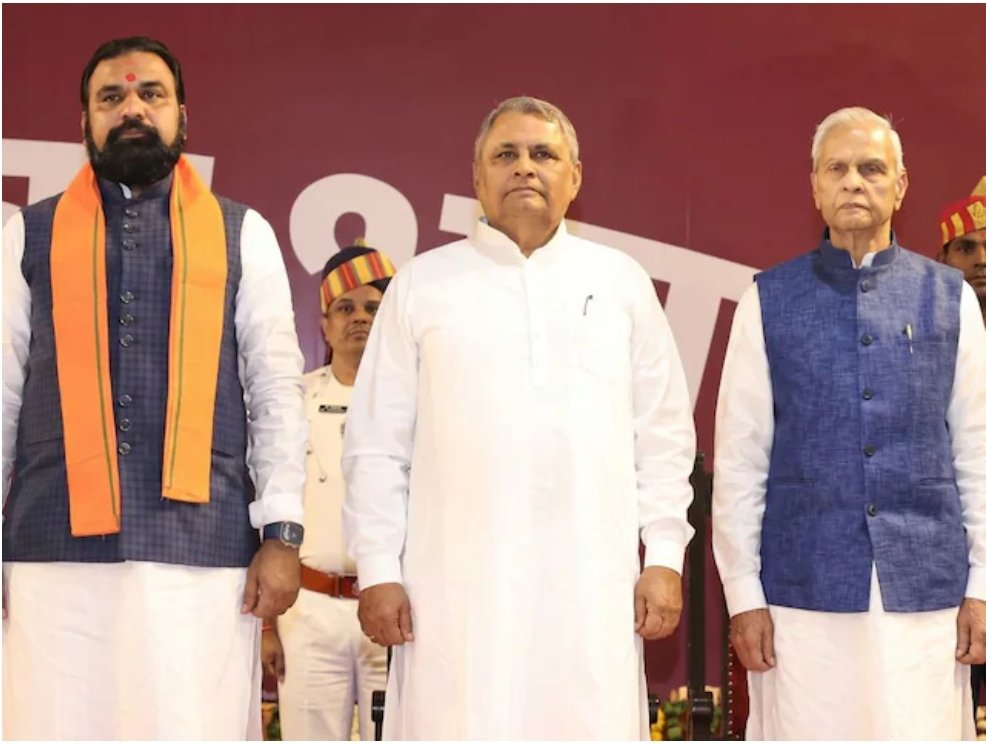
After formation of Bihar’s new government, CM Samrat Choudhary keeps 29 major departments including Home and General Administration, while two Deputy CMs receive key ministries in a major administrative reshuffle.
Patna / Alam Ki Khabar:Following the formation of the new government in Bihar, a major administrative reshuffle has been announced with the distribution of portfolios among ministers. Chief Minister Samrat Choudhary has taken direct control of several high-impact and core governance departments, signaling a strong centralized administrative approach.
According to official allocation, the Chief Minister has retained charge of as many as 29 departments, including some of the most powerful ministries such as Home, General Administration, Cabinet Secretariat, Vigilance, and Election Department. This move is being interpreted in political circles as an attempt to maintain tight control over law and order, administrative coordination, and key policy execution.
CM Samrat Choudhary’s Key Departments
The departments directly under the Chief Minister include:
General Administration Department
Home Department
Cabinet Secretariat
Vigilance Department
Election Department
Revenue and Land Reforms
Mines and Geology
Urban Development and Housing
Health Department
Law Department
Industry Department
Road Construction
Agriculture
Minor Water Resources
Labour Resources and Migrant Welfare
Youth, Employment and Skill Development
Tourism
Art and Culture
Dairy, Fisheries and Animal Resources
Disaster Management
Backward Classes and Extremely Backward Classes Welfare
Scheduled Castes and Scheduled Tribes Welfare
Information Technology
Sports
Cooperative Department
Environment, Forest and Climate Change
Sugar Industry
Public Health Engineering
Panchayati Raj Department
Political observers believe that retaining such a large number of departments reflects an intention to directly supervise both governance and development-related execution at multiple levels.
Deputy Chief Minister Vijay Kumar Chaudhary’s Portfolio
Deputy Chief Minister Vijay Kumar Chaudhary has been assigned 10 important departments. These include:
Water Resources Department
Parliamentary Affairs
Information and Public Relations
Building Construction
Minority Welfare
Education Department
Science, Technology and Technical Education
Rural Development
Transport Department
Higher Education
These ministries are considered crucial for infrastructure, governance communication, and education reforms, giving him a significant administrative role in the new government structure.
Deputy Chief Minister Vijayendra Prasad Yadav’s Portfolio
Another Deputy Chief Minister Vijendra Prasad Yadav has been entrusted with 8 major departments, including:
Energy Department
Planning and Development
Prohibition, Excise and Registration
Finance Department
Commercial Taxes
Social Welfare
Food and Consumer Protection
Rural Works Department
These departments are directly linked to state revenue, welfare schemes, and infrastructure development, making his role financially and administratively significant.
Political Meaning Behind the Allocation
Experts view this cabinet distribution as a carefully balanced political strategy. By retaining key departments under the Chief Minister, the government appears to be focusing on centralized decision-making and fast-track execution of policies.
At the same time, Deputy Chief Ministers have been given portfolios that ensure operational control over development sectors, revenue management, and public welfare schemes. This structure reflects an attempt to balance political authority with administrative delegation.
Administrative Control and Governance Strategy
The concentration of departments under the Chief Minister is being interpreted as a move to ensure better coordination between different wings of the government. Departments like Home, Vigilance, and General Administration are particularly sensitive, as they deal with law and order, corruption monitoring, and bureaucratic control.
Observers believe that such a structure may lead to quicker decision-making, but it may also increase the administrative burden on the Chief Minister’s office.
Opposition and Political Reactions
While the ruling side sees this as a strong governance model, opposition parties are likely to question the centralization of power. Political debates may arise over whether such a large number of departments under one office could impact efficiency.
However, supporters argue that strong leadership at the top ensures better accountability and faster implementation of government schemes.
Conclusion
The new Bihar cabinet portfolio distribution marks an important phase in the state’s political and administrative journey. With Samrat Choudhary holding 29 key departments and two Deputy Chief Ministers managing crucial sectors, the structure reflects a mix of centralized control and distributed governance.
As the new government begins its tenure, the effectiveness of this arrangement will be judged by how efficiently policies are implemented and how quickly public expectations are met across Bihar’s administrative system.
Leave a Reply
Your email address will not be published. Required fields are marked *